Recent Posts

(sibForm) #title=(Stay Informed) #caption=(Get Notified About Next Update Direct to Your inbox)

https://be075e8d.sibforms.com/serve/MUIEAM0UKoN8OYM0JwbWNEffDqBgBgDKuJOt8MUT4xRoZt3QnGcSULt4SVKnDSJl30T7PZ-eKk4PXiHDyV3BU0fJr73eLdUGXhTLY5oavcO0I0DDaUlnd-XplEBhe9k1b5XDK9wJAH9gvy-GA7URRf3g5eyiogd8rwaB4u3ZnL-pD73DxW7tElpKRwOK3unn0IDnjxF4QWXAhNjJ

 Yoga and Its Importance: A Complete Guide to Mind-Body Wellness

Yoga is an ancient practice that originated in India over 5,000 years ago. It is a holistic discipline that combines physical postures (asanas), breathing techniques (pranayama), meditation (dhyana), and ethical principles to promote physical, mental, and spiritual well-being. The word "yoga" is derived from the Sanskrit root "yuj," which means "to join" or "to unite," symbolizing the union of body, mind, and spirit.


Key Components of Yoga

  1. Asanas (Physical Postures):

    • These are the physical exercises and poses that improve flexibility, strength, and balance. Examples include downward dog, tree pose, and warrior pose.

  2. Pranayama (Breathing Techniques):

    • Pranayama involves controlled breathing exercises that help regulate energy and calm the mind. Techniques like alternate nostril breathing and deep belly breathing are commonly practiced.

  3. Meditation (Dhyana):

    • Meditation is a practice of focusing the mind to achieve mental clarity, emotional calm, and inner peace. It is often combined with mindfulness and visualization techniques.

  4. Ethical Principles (Yamas and Niyamas):

    • These are moral guidelines that form the foundation of yoga. Yamas focus on ethical behavior toward others (e.g., non-violence, truthfulness), while Niyamas emphasize self-discipline and spiritual practices (e.g., cleanliness, contentment).


Importance of Yoga

  1. Physical Health:

    • Improves flexibility, strength, and posture.

    • Enhances cardiovascular health and boosts immunity.

    • Aids in weight management and improves digestion.

  2. Mental Health:

    • Reduces stress, anxiety, and depression.

    • Promotes mental clarity and focus.

    • Enhances emotional resilience and self-awareness.

  3. Spiritual Growth:

    • Encourages self-reflection and inner peace.

    • Helps individuals connect with their higher self or spiritual essence.

    • Fosters a sense of purpose and mindfulness.

  4. Holistic Well-being:

    • Balances the body, mind, and spirit.

    • Promotes a healthy lifestyle and overall quality of life.

    • Encourages mindfulness and living in the present moment


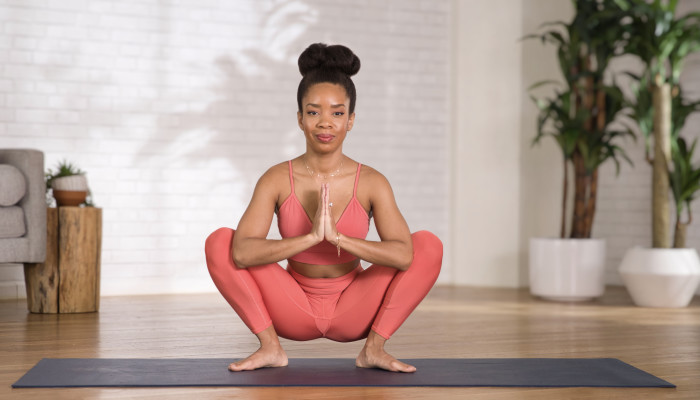
Image Representation of Yoga

Below is a description of a common yoga pose, "Tree Pose" (Vrksasana):

  • Stand on one leg, with the other foot placed on the inner thigh of the standing leg.

  • Bring your hands together in a prayer position at your chest or extend them overhead.

  • Focus on a fixed point to maintain balance.

  • This pose improves balance, concentration, and strengthens the legs.

(Note: As an AI, I cannot directly provide images, but you can easily find images of yoga poses like Tree Pose, Downward Dog, or Warrior Pose online.)


Conclusion

Yoga is more than just a physical exercise; it is a way of life that promotes harmony between the body, mind, and spirit. Its importance lies in its ability to enhance overall well-being, reduce stress, and foster a deeper connection with oneself. Whether you are a beginner or an advanced practitioner, yoga offers something for everyone, making it a timeless and universal practice.

Yoga: A Path to Holistic Well-being

Yoga is an ancient practice that originated in India over 5,000 years ago. It is a holistic discipline that combines physical postures (asanas), breathing techniques (pranayama), meditation (dhyana), and ethical principles to promote physical, mental, and spiritual well-being. The word "yoga" is derived from the Sanskrit root "yuj," meaning "to join" or "to unite," symbolizing the union of body, mind, and spirit.

Yoga is not just a form of exercise; it is a way of life. The physical postures, or asanas, improve flexibility, strength, and balance, while breathing techniques, or pranayama, help regulate energy and calm the mind. Meditation, a key component of yoga, fosters mental clarity, emotional stability, and inner peace. Together, these practices create a harmonious balance between the body and mind.

The importance of yoga extends beyond physical health. It reduces stress, anxiety, and depression, promoting mental well-being. It also encourages self-awareness, mindfulness, and spiritual growth, helping individuals connect with their inner selves. Yoga is accessible to people of all ages and fitness levels, making it a universal practice.


In today’s fast-paced world, yoga offers a sanctuary of peace and relaxation. It teaches us to live in the present moment, embrace mindfulness, and cultivate a healthy lifestyle. By integrating yoga into our daily lives, we can achieve holistic well-being and lead a more balanced, fulfilling life. Yoga is truly a gift to humanity, offering a path to harmony and self-discovery.

Yoga: A Brief Introduction

Yoga is an ancient practice from India that combines physical postures (asanas), breathing techniques (pranayama), and meditation to promote physical, mental, and spiritual well-being. The word "yoga" means "to unite," symbolizing the harmony of body, mind, and spirit. It improves flexibility, reduces stress, and fosters inner peace, making it a holistic practice for overall health. Accessible to all, yoga is a timeless tool for achieving balance and mindfulness in daily life.


What is meant by yogasana?

 What is meant by yogasana?

Yogasana refers to the physical postures or poses practiced in yoga. The term comes from the Sanskrit words "yoga," meaning union or discipline, and "asana," meaning posture or seat.
Yogasanas are designed to promote physical flexibility, balance, strength, and mindfulness. Beyond the physical benefits, they help prepare the body and mind for meditation by calming the nervous system and improving focus. Some well-known yogasanas include:

Tadasana (Mountain Pose) is a foundational yoga pose that helps improve posture, balance, and awareness. It is often considered the starting point for many standing poses. Here's how to practice it:

Steps to Perform Tadasana:

  1. Starting Position:
    Stand upright with your feet hip-width apart or together, whichever is more comfortable.

  2. Grounding:
    Distribute your weight evenly across both feet. Feel all four corners of your feet pressing into the ground.

  3. Alignment:
    Engage your thighs slightly, lift your kneecaps, and lengthen your spine. Roll your shoulders back and down, keeping your arms relaxed by your sides with palms facing forward.

  4. Core Engagement:
    Pull in your belly slightly to engage your core, keeping the pelvis neutral (not tilted forward or back).

  5. Lift Through the Crown:
    Imagine a string pulling the top of your head toward the sky, elongating the neck and spine. Keep your chin parallel to the floor.

  6. Breath and Focus:
    Close your eyes or soften your gaze. Breathe deeply, focusing on grounding and stability.


Benefits of Tadasana:

  • Improves posture and body awareness
  • Strengthens thighs, knees, and ankles
  • Helps with balance and coordination
  • Can reduce stress and promote mental clarity

Though it looks simple, Tadasana is about mindfulness and connecting with the body's natural alignment. It sets the tone for a strong, steady yoga practice. 🌟

which is the best auto clicker


rikshasana (Tree Pose) is a balancing yoga pose that helps improve stability, concentration, and posture. It resembles the shape of a tree, with the body rooted firmly like a trunk and one leg lifted like a branch.


How to Perform Vrikshasana:

  1. Starting Position:
    Stand in Tadasana (Mountain Pose) with your feet together and arms relaxed by your sides.

  2. Find Your Balance:
    Shift your weight onto your left foot, pressing firmly into the ground.

  3. Foot Placement:
    Bend your right knee and place the sole of your right foot on your inner left thigh, calf, or ankle (but avoid placing it directly on the knee).

  4. Alignment:
    Keep your pelvis neutral and your spine elongated. Engage your core to stay steady.

  5. Hand Position:
    Bring your hands together in front of your chest in a prayer position (Anjali Mudra). If you feel stable, raise your arms overhead with palms facing each other or touching.

  6. Breathing:
    Take slow, deep breaths. Focus your gaze on a stationary point in front of you to help with balance.

  7. Hold:
    Stay in the pose for 20–30 seconds, then gently lower your right leg and repeat on the other side.


Benefits of Vrikshasana:

  • Improves balance, stability, and coordination
  • Strengthens the legs, ankles, and core
  • Enhances focus and concentration
  • Helps relieve stress and promotes calmness

Adho Mukha Svanasana (Downward Dog Pose) is one of the most well-known yoga poses, offering a full-body stretch while building strength and promoting relaxation. Its name translates to "Downward-Facing Dog" because the body resembles a dog stretching with its front legs extended forward.


How to Perform Adho Mukha Svanasana:

  1. Starting Position:
    Begin on your hands and knees in a tabletop position, with wrists directly under shoulders and knees under hips.

  2. Hand Placement:
    Spread your fingers wide, pressing firmly through your palms and all fingers for stability. Turn your inner elbows slightly forward.

  3. Tuck Toes Under:
    Tuck your toes under and lift your knees off the ground, straightening your legs as you press your hips upward.

  4. Form a Triangle Shape:
    Lengthen your spine and press your chest gently toward your thighs, aiming to create a triangle shape with your body.

  5. Foot Placement:
    Keep your heels reaching toward the floor (they don’t have to touch), and slightly bend your knees if needed.

  6. Neck and Head:
    Keep your head relaxed and gaze softly toward your knees or navel. Avoid tensing your neck.

  7. Hold the Pose:
    Stay for 5–10 breaths or longer, maintaining steady inhales and exhales.

  8. Exit the Pose:
    Lower your knees back to the ground gently or step forward to come out of the pose.


Benefits of Adho Mukha Svanasana:

  • Stretches the hamstrings, calves, and spine
  • Strengthens the arms, shoulders, and core
  • Improves posture and flexibility
  • Calms the mind and relieves stress
  • Enhances circulation by reversing the body's normal flow

This pose is often used as a transition or resting pose in yoga sequences, making it a versatile part of any practice. With regular practice, you’ll feel more open and energized! 🌟


Padmasana (Lotus Pose) is a classic seated posture in yoga that symbolizes meditation, peace, and spiritual awakening. The pose resembles the shape of a lotus flower, and it helps the practitioner achieve physical stillness and mental focus.


How to Perform Padmasana:

  1. Starting Position:
    Sit on the floor with your legs extended straight out in front of you (Dandasana or Staff Pose).

  2. Bend Your Right Knee:
    Bring your right knee toward your chest, and carefully place your right foot on top of your left thigh, with the sole facing upward and the heel close to your abdomen.

  3. Bend Your Left Knee:
    Bring your left knee up, and gently place your left foot on top of your right thigh, with the sole facing upward and the heel near your abdomen.

  4. Hand Position:
    Rest your hands on your knees with palms facing upward. You may also form a mudra (e.g., Jnana Mudra with the thumb and index finger touching).

  5. Spinal Alignment:
    Lengthen your spine, roll your shoulders back, and lift the crown of your head toward the ceiling. Keep your chin slightly tucked to lengthen the neck.

  6. Breathing:
    Take slow, deep breaths, allowing your body to relax into the pose.


Modifications:

If Padmasana is too challenging, try Ardha Padmasana (Half Lotus Pose) by placing just one foot on the opposite thigh and the other foot on the floor. You can also sit on a cushion or folded blanket for added comfort.


Benefits of Padmasana:

  • Enhances flexibility in the hips and knees
  • Promotes mental clarity and focus
  • Provides a stable base for meditation and pranayama (breathing exercises)
  • Helps calm the mind and reduce stress
  • Encourages proper posture and spinal alignment

Note: Padmasana requires flexibility in the hips and knees, so it’s important to approach it slowly and avoid any strain. With regular practice, it can help cultivate a deeper sense of peace and stillness. 🌸

Best Yoga Poses for Conception ome of the best yoga poses

 If you're trying to conceive, yoga can help by reducing stress, balancing hormones, and improving blood circulation to reproductive organs. Here are some of the best yoga poses for fertility:

Best Yoga Poses for Conception:-

Bhaddha Konasana (Butterfly Pose) – Improves blood flow to the pelvic area and stimulates reproductive organs.

Baddha Konasana (Butterfly Pose) is highly beneficial for fertility. It enhances blood flow to the pelvic region, stimulates reproductive organs, and helps relieve stress, which is essential for conception.

How to Do Baddha Konasana:

  1. Sit on the floor with your spine straight and legs extended.
  2. Bend your knees and bring the soles of your feet together.
  3. Hold your feet with your hands and bring them as close to your pelvis as possible.
  4. Gently press your knees toward the floor (without force).
  5. Take deep breaths and hold the pose for 1-2 minutes.


Benefits for Fertility:

✅ Improves blood circulation to reproductive organs
✅ Helps regulate menstrual cycles
✅ Reduces stress and tension in the pelvic area
✅ Supports flexibility in the hips and inner thighs

Would you like a full yoga sequence for fertility? Let me know!

Viparita Karani (Legs Up

  • Viparita Karani (Legs Up the Wall Pose) – Enhances blood circulation and reduces stress.

 the Wall Pose) is an excellent yoga pose for boosting fertility. It improves blood circulation to the pelvic area, reduces stress, and supports hormonal balance—all essential for conception.

How to Do Viparita Karani:

  1. Sit sideways next to a wall with your hips close to it.
  2. Lie back and swing your legs up against the wall, keeping them straight.
  3. Rest your arms by your sides with palms facing up.
  4. Close your eyes, take deep breaths, and relax for 5–10 minutes.
  5. To release, bend your knees and roll to one side before sitting up slowly.


Benefits for Fertility:

✅ Increases blood flow to the reproductive organs
✅ Helps balance hormones and regulate menstrual cycles
✅ Reduces stress and promotes relaxation
✅ Relieves lower back and pelvic tension

  • Supta Baddha Konasana (Reclining Butterfly Pose) – Opens up the hips and promotes relaxation.

Would you like more yoga poses or a full fertility yoga routine? Let me know!

Supta Baddha Konasana (Reclining Butterfly Pose) is a fantastic yoga pose for fertility. It helps open the hips, improves blood circulation to the reproductive organs, and deeply relaxes the body, reducing stress—an essential factor for conception.

How to Do Supta Baddha Konasana:

  1. Sit on the floor with your knees bent and the soles of your feet together.
  2. Slowly recline backward, supporting yourself with your arms until your back rests on the floor.
  3. Place your hands on your belly or stretch them out to the sides.
  4. Breathe deeply and hold the pose for 3–5 minutes.
  5. To release, gently bring your knees together and roll to one side before sitting up.


Benefits for Fertility:

✅ Opens up the hips and pelvis, increasing flexibility
✅ Improves blood circulation to reproductive organs
✅ Helps regulate hormones and menstrual cycles
✅ Reduces stress and calms the nervous system

Would you like a full fertility yoga routine customized for you? Let me know!

  • Setu Bandhasana (Bridge Pose) – Strengthens the pelvic muscles and regulates hormones.

Setu Bandhasana (Bridge Pose) is a powerful yoga pose for boosting fertility. It strengthens the pelvic muscles, improves blood flow to the reproductive organs, and helps regulate hormones—key factors for conception.

How to Do Setu Bandhasana:

  1. Lie on your back with your knees bent and feet hip-width apart, flat on the floor.
  2. Place your arms beside your body, palms facing down.
  3. Inhale and lift your hips toward the ceiling while pressing your feet into the floor.
  4. Hold the pose for 30 seconds to 1 minute, breathing deeply.
  5. Exhale and slowly lower your hips back to the floor.

Benefits for Fertility:

✅ Strengthens the pelvic floor and uterus
✅ Increases blood circulation to reproductive organs
✅ Balances hormones and supports menstrual health
✅ Relieves stress and tension in the lower back

Would you like a personalized yoga sequence for conception? Let me know!

  • Paschimottanasana (Seated Forward Bend) – Relieves stress and improves ovarian function.

Paschimottanasana (Seated Forward Bend) is an excellent yoga pose for fertility. It helps relieve stress, improves ovarian function, and enhances blood circulation to the reproductive organs—key factors for conception.

How to Do Paschimottanasana:

  1. Sit on the floor with your legs extended straight in front of you.
  2. Inhale, lengthen your spine, and raise your arms overhead.
  3. Exhale, hinge at your hips, and reach forward toward your feet.
  4. Hold your feet, ankles, or shins (wherever comfortable).
  5. Breathe deeply and hold the pose for 30 seconds to 1 minute.
  6. Inhale to slowly rise back up.


Benefits for Fertility:

✅ Stimulates the ovaries and uterus
✅ Improves blood circulation to the pelvic region
✅ Reduces stress and promotes relaxation
✅ Helps regulate menstrual cycles

Would you like a full yoga routine tailored for fertility and conception? Let me know! 

  • Balasana (Child’s Pose) – Reduces stress and increases blood flow to reproductive organs.

Balasana (Child’s Pose) is a gentle yet powerful yoga pose for fertility. It helps reduce stress, calm the nervous system, and increase blood flow to the reproductive organs—essential for conception.

How to Do Balasana:

  1. Kneel on the floor with your big toes touching and knees spread apart.
  2. Sit back on your heels and extend your arms forward, lowering your forehead to the mat.
  3. Relax your shoulders and take slow, deep breaths.
  4. Hold the pose for 1–3 minutes, then slowly rise back up.

Benefits for Fertility:

✅ Relieves stress and anxiety, promoting hormonal balance
✅ Increases blood circulation to the pelvic and reproductive organs
✅ Helps relax the lower back and pelvic muscles
✅ Supports overall reproductive health

Would you like me to create a full fertility yoga sequence for you? Let me know!

  • Uttanasana (Standing Forward Bend) – Boosts circulation and calms the nervous system.

Uttanasana (Standing Forward Bend) is a great yoga pose for fertility. It enhances blood circulation to the pelvic region, relieves stress, and calms the nervous system—factors that support reproductive health and conception.

How to Do Uttanasana:

  1. Stand tall with your feet hip-width apart.
  2. Inhale, lengthen your spine, and slowly bend forward from your hips.
  3. Let your head and arms hang down, or hold your ankles for support.
  4. Keep your knees slightly bent if needed to avoid strain.
  5. Take deep breaths and hold for 30 seconds to 1 minute.
  6. Inhale, engage your core, and slowly rise back up.

Benefits for Fertility:

✅ Boosts blood flow to the reproductive organs
✅ Reduces stress and supports hormonal balance
✅ Calms the nervous system, promoting relaxation
✅ Helps regulate menstrual cycles

Would you like a complete yoga routine for fertility and conception? Let me know! 

Additional Tips for Fertility Yoga

  • Practice deep breathing (Pranayama) like Nadi Shodhana (Alternate Nostril Breathing) to balance hormones.
  • Reduce stress with meditation and mindfulness.
  • Maintain a healthy diet and lifestyle alongside yoga.

How to know if yoga is working?

 Yoga's impact can be subtle and may take time to manifest. Here are key signs to help you know if yoga is working for you:

Physical Signs:-

  1. Improved Flexibility: You notice greater ease in stretches and poses.
  2. Better Posture: You're more aware of your posture and sit or stand straighter.
  3. Increased Strength: Your muscles feel stronger, especially in holding poses longer.
  4. Better Balance: You can hold balancing poses like Tree Pose or Warrior III with greater stability.
  5. Reduced Aches and Pains: Chronic stiffness or discomfort, such as in the back or neck, decreases.

Here are the physical signs that yoga is working for you:

1. Improved Flexibility:-

  • You can stretch farther or perform poses that once seemed impossible. For example, touching your toes or deeper bends in forward folds.

2. Better Posture:-

  • You notice yourself standing or sitting straighter without slouching. Yoga strengthens core muscles that support your spine.

3. Increased Strength:-

  • Holding poses like Plank, Warrior II, or Chair Pose feels easier over time. Your muscles become more toned and supportive.

4. Improved Balance:-

  • Balancing poses, such as Tree Pose or Dancer's Pose, feel steadier. You may also notice better overall coordination in daily activities.

5. Reduced Aches and Pains:-

  • Chronic stiffness, such as back, neck, or joint pain, diminishes as your body becomes more aligned and muscles strengthen.

6. Better Mobility:-

  • Everyday movements, like getting up from the floor or reaching for objects, feel smoother and more effortless.

7. Enhanced Energy Levels:-

  • You feel less fatigued during the day, as yoga can improve circulation and overall vitality.

These signs may develop gradually, so consistency is key to reaping the physical benefits of yoga.


Here are the mental and emotional signs that yoga is benefiting you:


1. Reduced Stress:-

  • You feel calmer and better equipped to handle life’s challenges. Stressful situations no longer overwhelm you as much.

2. Improved Focus:-

  • Your ability to concentrate during work, conversations, or other tasks increases, and you may notice fewer distractions.

3. Enhanced Mood:-

  • You feel happier, more optimistic, or emotionally stable. Yoga stimulates the release of endorphins and reduces cortisol (the stress hormone).

4. Greater Self-Awareness:-

  • You become more attuned to your thoughts, emotions, and reactions, allowing you to manage them more effectively.

5. Better Emotional Resilience:-

  • You’re less reactive to negative emotions and recover more quickly from setbacks.

6. Improved Sleep:-

  • Falling asleep and staying asleep becomes easier, as yoga can reduce restlessness and promote relaxation.

7. Feelings of Inner Peace:-

  • You experience moments of deep contentment, acceptance, or tranquility during or after practice.

8. Mindfulness and Presence:-

  • You’re more present in daily life, appreciating simple moments rather than being consumed by worries or past regrets.

9. Decreased Anxiety:-

  • Practices like breathwork and meditation help calm your mind, reducing feelings of worry or fear.

10. Greater Emotional Control:-

  • You're better able to pause before reacting impulsively, choosing thoughtful responses instead.

These mental and emotional benefits often deepen with regular practice and contribute significantly to overall well-being.


Behavioral Signs.......

  1. 1.Healthier Habits: You might naturally adopt healthier eating or lifestyle choices.
  2. 2.Mindfulness in Daily Life: You become more present and less rushed.
  3. Consistency in Practice: You look forward to yoga sessions and make them a priority.

Here are the behavioral signs that yoga is positively impacting your life:


1. Consistent Practice:-

  • You look forward to your yoga sessions and make them a regular part of your routine, even on busy days.

2. Healthier Habits:-

  • You naturally adopt behaviors that support your well-being, such as eating more nutritious foods, staying hydrated, or getting enough rest.

3. Improved Time Management:-

  • You may notice better organization and prioritization of tasks, making room for activities that matter, including yoga.

4. Increased Patience:-

  • You react more calmly to situations that once caused frustration or impatience, both in personal and professional settings.

5. Mindfulness in Actions:-

  • You approach daily activities with more attention and presence, such as eating slowly or savoring a walk.

6. Reduced Impulsivity:-

  • You're more likely to pause and reflect before making decisions, acting with intention rather than impulsiveness.

7. Greater Compassion:-

  • You feel more empathy and kindness toward others, which may reflect in your relationships and interactions.

8. Willingness to Explore:-

  • You become more open to trying new things, whether it’s different yoga styles, hobbies, or lifestyle changes.

9. Improved Body Awareness:-

  • You listen to your body’s signals more attentively, adjusting your lifestyle or practice to meet its needs.

10. Enhanced Discipline:-

  • Yoga’s structure encourages discipline, which may extend to other areas of your life, like maintaining work deadlines or sticking to fitness goals.

These behavioral shifts often emerge gradually as yoga’s physical, mental, and emotional benefits influence your daily life.

Energetic and Spiritual Signs

  1. Feeling Grounded: A deeper sense of connection to yourself and your surroundings emerges.
  2. Enhanced Breathing Awareness: You're more attuned to your breath throughout the day.
  3. Inner Peace: A sense of contentment or acceptance in life grows.

If you're unsure, consider keeping a yoga journal to track how you feel physically, emotionally, and mentally over time. Yoga is a personal journey, so focus on the progress that matters most to you!


Here are the energetic and spiritual signs that yoga is positively influencing you:

Energetic Signs


  1. Increased Awareness of Breath

    • You notice your breathing more throughout the day, using deep, mindful breaths to stay calm or centered.
  2. Feeling Grounded

    • A sense of stability and connection to the present moment becomes more noticeable, especially during challenging situations.
  3. Enhanced Energy Flow

    • You feel a natural boost of energy after practice, as yoga improves circulation and balances your internal systems.
  4. Heightened Sensitivity to Body and Environment

    • You’re more attuned to your body’s needs, emotions, and even subtle environmental changes.
  5. Balanced Energy Levels

    • Instead of fluctuating highs and lows, you experience consistent, sustainable energy throughout the day.

Spiritual Signs


  1. Connection to Something Greater

    • You feel a deeper connection to the universe, nature, or a sense of spirituality, regardless of religious beliefs.
  2. Moments of Bliss or Transcendence

    • During or after practice, you may experience profound moments of peace, joy, or clarity.
  3. Inner Stillness

    • A growing sense of calm or quietness within, even amidst external chaos, becomes part of your daily life.
  4. Alignment with Purpose

    • You may find yourself more focused on what truly matters, aligning your actions with your values and goals.
  5. Increased Gratitude

    • A deeper appreciation for life, relationships, and small moments of joy arises naturally.
  6. Openness to Growth

    • You feel more receptive to self-improvement, learning, and evolving into your best self.
  7. Harmony in Relationships

    • As your inner peace grows, your interactions with others become more compassionate and harmonious.

These signs often develop subtly and deepen over time with regular yoga and mindfulness practices. They reflect not just physical improvements but also holistic well-being.


Why is yoga important for women's health?

 Yoga is highly beneficial for women’s health due to its holistic approach to physical, mental, and emotional well-being. Here are some key reasons why yoga is important for women:


1. Enhances Physical Fitness:-


  • Flexibility and Strength: Yoga improves flexibility and strengthens muscles, supporting overall physical health and reducing the risk of injuries.
  • Posture and Core Strength: Many yoga poses enhance posture, helping to alleviate back pain—a common issue for women due to pregnancy, carrying children, or desk jobs.
  • Bone Health: Weight-bearing yoga poses like Warrior or Tree Pose can help maintain bone density and combat osteoporosis.

2. Supports Hormonal Balance:-


  • Yoga helps regulate the endocrine system, which is crucial for managing hormonal fluctuations during menstruation, pregnancy, postpartum, and menopause.
  • Practices like restorative yoga or specific poses can reduce PMS symptoms, balance mood swings, and alleviate menopausal symptoms.

3. Boosts Mental Health


  • Yoga reduces stress, anxiety, and depression by calming the mind and lowering cortisol levels.
  • It encourages mindfulness and self-awareness, which can improve emotional resilience and mental clarity.

4. Promotes Reproductive Health


  • Certain yoga poses and breathing techniques improve blood circulation to reproductive organs, which can enhance fertility and support a healthy pregnancy.
  • Prenatal yoga helps women stay fit during pregnancy, eases childbirth, and facilitates postpartum recovery.

5. Improves Cardiovascular Health


  • Regular yoga practice reduces blood pressure, improves heart rate, and enhances overall cardiovascular health.
  • It encourages a healthier lifestyle, which can reduce the risk of chronic conditions like heart disease.

6. Relieves Chronic Pain:-


  • Yoga can alleviate chronic pain associated with conditions like fibromyalgia, arthritis, and lower back pain.
  • Gentle stretching and strengthening exercises improve mobility and reduce discomfort.

7. Encourages Social Connection


  • Joining yoga classes can foster a sense of community and support among women, promoting mental and emotional well-being.

8. Promotes Healthy Aging:-


  • Yoga enhances balance, reduces the risk of falls, and supports joint health, all of which are crucial as women age.
  • Practices like meditation and pranayama (breathing exercises) contribute to cognitive health and emotional stability.

9. Supports Weight Management:-


  • Yoga aids in maintaining a healthy weight by improving metabolism and encouraging mindful eating habits.

10. Fosters Self-Empowerment:-


  • Yoga helps women connect with their inner strength, promoting self-confidence and a positive self-image.

Incorporating yoga into a daily or weekly routine can significantly enhance a woman’s overall quality of life, making it a valuable practice for health and wellness at every stage.