Recent Posts

(sibForm) #title=(Stay Informed) #caption=(Get Notified About Next Update Direct to Your inbox)

https://be075e8d.sibforms.com/serve/MUIEAM0UKoN8OYM0JwbWNEffDqBgBgDKuJOt8MUT4xRoZt3QnGcSULt4SVKnDSJl30T7PZ-eKk4PXiHDyV3BU0fJr73eLdUGXhTLY5oavcO0I0DDaUlnd-XplEBhe9k1b5XDK9wJAH9gvy-GA7URRf3g5eyiogd8rwaB4u3ZnL-pD73DxW7tElpKRwOK3unn0IDnjxF4QWXAhNjJ

Yoga offers numerous benefits for both the body and mind. Here are some key benefits of practicing yoga:

  •  Improved Flexibility: Regular yoga practice gradually increases flexibility, loosening tight muscles and improving range of motion.
  • Increased Strength: Many yoga poses require strength and engagement of various muscle groups, leading to improved overall strength and muscular endurance.
  • Better Posture: Yoga helps correct postural imbalances by strengthening the core muscles, lengthening the spine, and promoting proper alignment.


  • Enhanced Balance and Stability: Yoga poses often involve balancing on one leg or maintaining stability in challenging positions, improving balance and stability over time.
  • Stress Relief: The combination of mindful movement, deep breathing, and relaxation in yoga helps reduce stress, calm the nervous system, and promote a sense of peace and well-being.


  • Improved Body Awareness: Yoga encourages mindfulness and a deeper connection between the body, mind, and breath, enhancing overall body awareness.
  • Mental Clarity and Focus: Yoga incorporates breath control and meditation, helping to calm the mind, improve focus, and enhance mental clarity.
  • Increased Energy and Vitality: Regular yoga practice boosts energy levels, improves circulation, and stimulates the body's systems, leading to increased vitality and a general sense of well-being.
  • Better Sleep: Yoga can help improve the quality of sleep by reducing stress, promoting relaxation, and calming the mind before bedtime.
  • Stress and Anxiety Reduction: Yoga practice activates the relaxation response in the body, reducing stress hormones and promoting a sense of calm and relaxation.
  • Improved Respiratory Function: Yoga incorporates deep breathing techniques, which can increase lung capacity, improve respiratory function, and enhance overall oxygenation of the body.
  • Weight Management: Regular yoga practice, combined with a balanced diet, can contribute to healthy weight management by increasing metabolism, promoting mindful eating, and supporting overall well-being.


  • Enhanced Mind-Body Connection: Through the integration of physical movement, breath awareness, and mental focus, yoga fosters a deeper connection between the body, mind, and spirit.
  • Cardiovascular Health: Some dynamic forms of yoga, such as Vinyasa or Power Yoga, can provide cardiovascular benefits, improving heart health and circulation.
  • Emotional Well-being: Yoga practice promotes self-acceptance, self-care, and self-awareness, fostering emotional balance, resilience, and a positive outlook on life.


Iitsimportant to note that individual experiences may vary, and the benefits of yoga can differ from person to person. Regular practice and finding a style of yoga that suits your needs and preferences can help maximize these benefits.

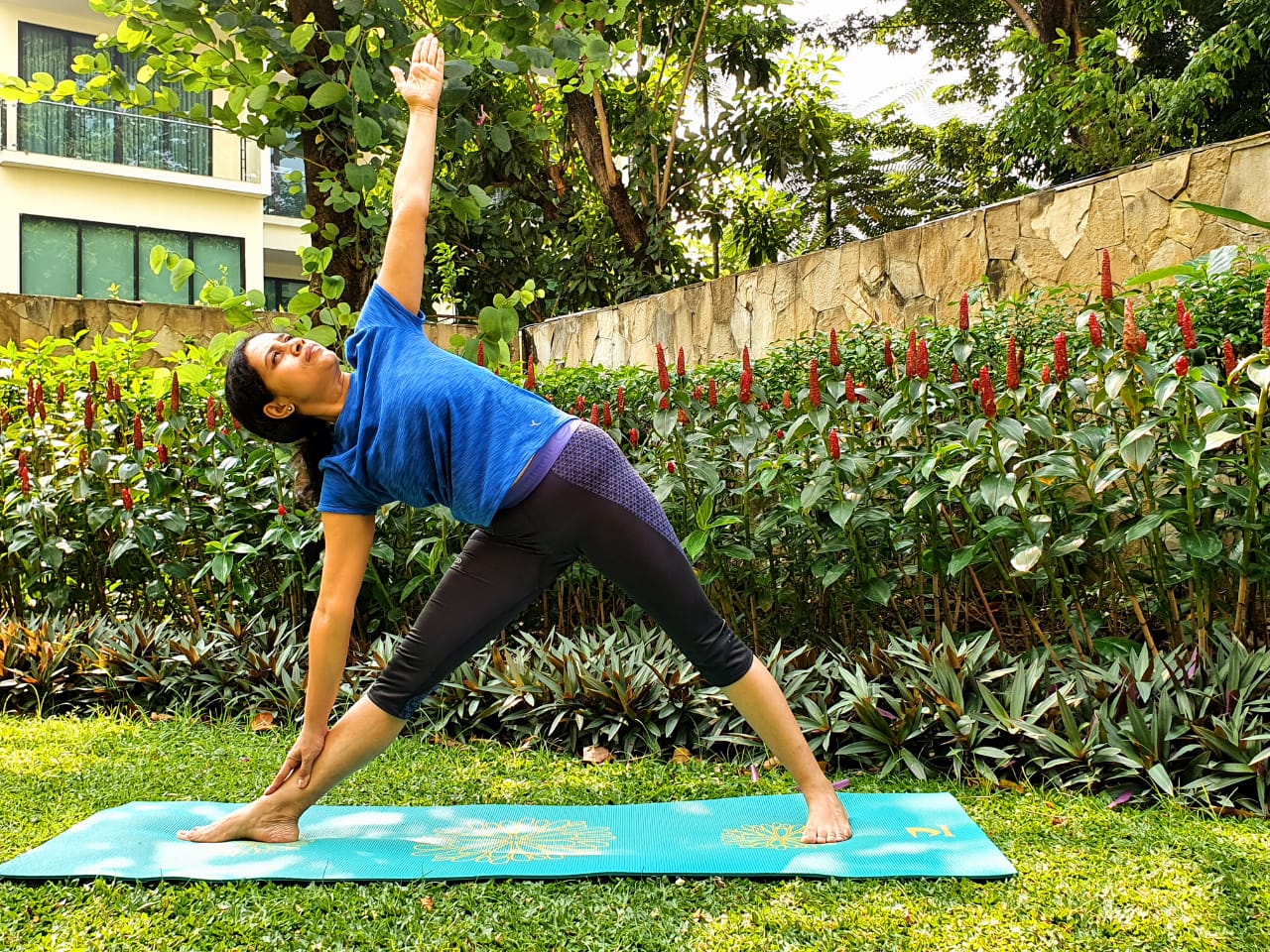
Triangle Pose (Trikonasana): Stretch, Strengthen, and Find Balance with this Yoga Asana

 Triangle Pose, also known as Trikonasana, is a fundamental yoga pose that offers a wide range of benefits for the body and mind. In this comprehensive guide, I will provide you with a detailed explanation of Triangle Pose, including alignment cues, modifications, variations, benefits, and more.


Alignment and Key Elements of Triangle Pose:

  1. Begin in a standing position at the front of your mat, with your feet comfortably apart, around 3 to 4 feet.
  2. Turn your right foot out to a 90-degree angle, ensuring that your heel is aligned with the arch of your left foot.
  3. Extend your arms out to the sides, parallel to the ground, with your palms facing down.
  4. Take a deep breath in, and as you exhale, extend your torso to the right side, reaching your right hand down toward your right shin, ankle, or the floor. Avoid placing excessive weight on the right hand; instead, focus on lengthening the torso and reaching out through the left fingertips.
  5. Keep both legs straight, and engage your quadriceps by lifting your kneecaps.

  1. Rotate your torso to the left, opening your chest toward the ceiling. Imagine a line of energy extending from your left foot all the way up through your left fingertips.
  2. Turn your gaze toward your left hand, or if it strains your neck, keep your gaze forward or downward.
  3. Ensure that your body is in one plane, with your hips stacked directly above each other. Avoid leaning forward or backward.
  4. Maintain a steady breath, deepening the stretch on each exhale and finding length and expansion on each inhale.
  5. Hold the pose for several breaths, feeling the stretch and opening through the side body and hamstrings.
  6. To come out of the pose, engage your core muscles and press through your feet as you slowly lift your torso back to an upright position. Repeat on the opposite side.

Modifications and Variations:

  • If you have difficulty reaching the floor or feel strain in your torso, you can place your hand on a block or prop for support. You can also rest your hand on your shin instead of reaching all the way to the floor.

  • For added stability, you can practice Triangle Pose with your back heel against a wall or use a chair for support.
  • If you have neck discomfort, you can keep your gaze forward or downward instead of looking up toward your hand

Benefits of Triangle Pose:

  1. Stretches and strengthens the legs: Triangle Pose stretches the hamstrings, calves, and hips, while simultaneously strengthening the quadriceps and inner thighs.
  2. Lengthens the spine: The elongated sideways stretch in `Triangle Pose helps lengthen and align the spine, improving posture and relieving tension.
  3. Opens the hips and groin: The wide-legged stance in Triangle Pose promotes hip and groin opening, enhancing flexibility and relieving tightness in those areas.
  4. Strengthens the core: The engagement of the core muscles in Triangle Pose helps build stability and strength in the abdominal area.

  • Increases balance and stability: The wide base and extended posture in Triangle Pose challenge your balance and promote stability, enhancing overall body awareness.
  • Stimulates digestion: The gentle compression and twist in Triangle Pose can stimulate digestion and help alleviate digestive discomfort.
  • Relieves back pain: Triangle Pose stretches and strengthens the muscles in the back, providing relief from back pain and improving spinal alignment.


  • Enhances respiratory function: The expanded chest and increased lung capacity in Triangle Pose improve respiratory function and deep breathing.
  • Promotes mental focus and clarity: The concentration required to hold and align the body in Triangle Pose cultivates mental focus and clarity, promoting a calm and centered mind.


Warrior II (Virabhadrasana II): Strengthen Your Body and Find Balance with this Powerful Yoga Pose

 Warrior II, also known as Virabhadrasana II, is a powerful and energizing yoga pose that strengthens the body, improves stability, and promotes a sense of groundedness. In this detailed guide, I will provide you with comprehensive information about Warrior II, including alignment cues, modifications, variations, benefits, and more.


Alignment and Key Elements of Warrior II:

  1. Begin in a standing position at the front of your mat, with your feet hip-width apart and arms by your sides (Mountain Pose).
  2. Step your left foot back, approximately 3 to 4 feet, depending on your height and comfort. Align your left heel with the arch of your right foot.
  3. Rotate your left foot slightly inward, creating a slight angle with your toes. Your right foot should be pointing directly forward.
  4. Bend your right knee, keeping it directly above your ankle. Ensure that your knee is in line with your second toe, avoiding it collapsing inward.
  5. Extend your arms out to the sides, parallel to the ground, with your palms facing down. Your arms should be in line with your shoulders.

  1. Gently open your chest and shoulders, keeping your torso facing forward. Imagine a line of energy extending from the crown of your head to your tailbone, lengthening your spine.
  2. Engage your core muscles by drawing your navel in toward your spine, providing stability and support.
  3. Relax your shoulders away from your ears and broaden your collarbones.
  4. Gaze over your right fingertips, keeping your neck and head aligned with your spine. Maintain a soft and steady gaze.
  5. Maintain a strong stance in your legs, pressing through the outer edge of your back foot and grounding through your front foot.

  1. Hold the pose for several breaths, feeling the strength and stability of your body.
  2. Repeat the pose on the opposite side, stepping your right foot back and bending your left knee.

Modifications and Variations:

  • If you have difficulty maintaining balance, you can practice Warrior II with your back heel against a wall or use a chair for support.
  • If you have knee sensitivity or injury, you can reduce the depth of your knee bend or widen your stance slightly to alleviate any discomfort.

  • For additional stability, you can shorten your stance by bringing your feet closer together.
  • If reaching the arms parallel to the ground is challenging, you can bend the front elbow and rest the hand on the hip or use a yoga strap to connect your hands behind your back.

Benefits of Warrior II:

  1. Strengthens the lower body: Warrior II targets and strengthens the muscles of the legs, including the quadriceps, hamstrings, glutes, and calves.
  2. Enhances stability and balance: The wide-legged stance and grounded position in Warrior II improve stability and balance, enhancing proprioception and body awareness.
  3. Opens the hips and groin: The extended leg position and hip rotation in Warrior II help open and stretch the hips and groin area, improving flexibility.
  4. Increases endurance: Holding Warrior II builds endurance and stamina, challenging both the physical and mental aspects of the practice.

  1. Improves posture and spinal alignment: The elongation of the spine and engagement of the core muscles in Warrior II promote proper posture and spinal alignment.
  2. Builds concentration and focus: The intense focus on body alignment and the gaze in Warrior II cultivate concentration and mental focus, fostering a sense of presence.
  3. Boosts confidence and empowerment: The strong and grounded stance in Warrior II can evoke feelings of confidence, empowerment, and inner strength.

  • Stimulates circulation and energizes the body: The dynamic nature of Warrior II stimulates blood flow, invigorating the body and mind.
  • Promotes mindfulness and stress reduction: The meditative qualities of Warrior


  • Enhancing focus and concentration with Vrksasana
  • Tree Pose for better posture and body awareness
  • Flexibility benefits of Vrksasana
  • Cultivating mindfulness through Tree Pose
  • Discovering inner strength with Vrksasana

Tree Pose (Vrksasana): Enhance Balance, Stability, and Mindfulness with this Yoga Asana

 Tree Pose (Vrksasana): Enhance Balance, Stability, and Mindfulness with this Yoga Asana


Tree Pose, also known as Vrksasana, is a classic yoga posture that symbolizes stability, balance, and rootedness. In this comprehensive guide, I will provide you with a detailed description of Tree Pose, including alignment cues, variations, modifications, benefits, and more.


Alignment and Key Elements of Tree Pose:

  1. Begin by standing tall in Mountain Pose (Tadasana) with your feet hip-width apart and arms relaxed by your sides.
  2. Shift your weight onto your left foot and lift your right foot off the ground, bending your right knee and bringing the sole of your right foot to rest on the inside of your left thigh. If placing your foot on the thigh is challenging, you can rest it on the calf or ankle instead. Avoid placing your foot directly on the knee joint to prevent strain or injury.
  3. Find your balance by grounding down through your left foot. Engage the muscles of your standing leg and visualize roots extending from the sole of your foot deep into the earth, providing a sense of stability and support.
  4. Bring your hands to your heart center in prayer position (Anjali Mudra), or if you prefer, extend your arms overhead with your palms facing each other.
  5. Find a focal point, or drishti, in front of you. This will help you maintain your balance and focus.

Strengthening legs with Tree Pose:-

  1. Lengthen your spine, lifting through the crown of your head. Relax your shoulders away from your ears and broaden your chest.
  2. Find stability in the pose by engaging your core muscles. Draw your belly button gently toward your spine.
  3. Find a comfortable gaze point that is not moving to help you maintain your balance and focus.
  4. Hold the pose for several breaths, maintaining a steady and smooth breath. If you feel steady, you can experiment with gently swaying your arms or lifting them overhead to deepen the stretch.
  5. Repeat the pose on the opposite side, shifting your weight to your right foot and placing your left foot on your right thigh.

Modifications and Variations:


  • If placing your foot on the inner thigh is challenging, you can place it on the calf or ankle of the standing leg. Just avoid placing it directly on the knee joint.
  • For added support, you can stand near a wall or use a chair for balance. Lightly touch the wall or place a hand on the chair while practicing the pose.
  • If you have difficulty balancing, you can practice against a wall. Stand with your back against the wall, placing your foot on the standing leg, and perform the pose with the support of the wall.


Benefits of Tree Pose:

  • Improved balance and stability: Tree Pose helps to improve balance and stability by strengthening the muscles in your feet, ankles, and legs.
  • Increased focus and concentration: Holding the pose requires mental focus and concentration, which can help calm the mind and improve mental clarity.
  • nhanced posture and body awareness: Tree Pose promotes proper alignment and posture by encouraging lengthening of the spine and engagement of the core muscles.
  • Strengthened leg muscles: As you balance on one leg, the muscles in your standing leg, including the quadriceps, hamstrings, and calf muscles, are engaged and strengthened.

  1. Improved flexibility in the hips and groin: The hip of the bent leg in Tree Pose opens, increasing flexibility in the hip joint and stretching the inner thigh and groin muscles.
  2. Grounding and centering: Tree Pose encourages a sense of grounding and connection to the earth, promoting a feeling of stability and rootedness.
  3. Cultivation of mindfulness: The focus required to maintain balance in Tree Pose can help cultivate mindfulness and present-moment awareness, bringing a sense of calm and peace to the mind.

As with any yoga pose, it


  • Tree Pose (Vrksasana)
    1. 1.Yoga for balance

    2. 2.Strengthening legs with Tree Pose

    3. 3.Improving stability with Vrksasana

    4. 4.Finding grounding and stability in Tree Pose

    5. 5.Enhancing focus and concentration with Vrksasana


    6. 6.Tree Pose for better posture and body awareness

    7. 7.Flexibility benefits of Vrksasana

    8. 8.Cultivating mindfulness through Tree Pose

    9. 9.Discovering inner strength with Vrksasa


    #TreePose #Vrksasana #YogaBalance #StabilityPose #LegStrength #FlexibilityExercise #MindfulnessPractice #PostureAwareness #YogaAsana