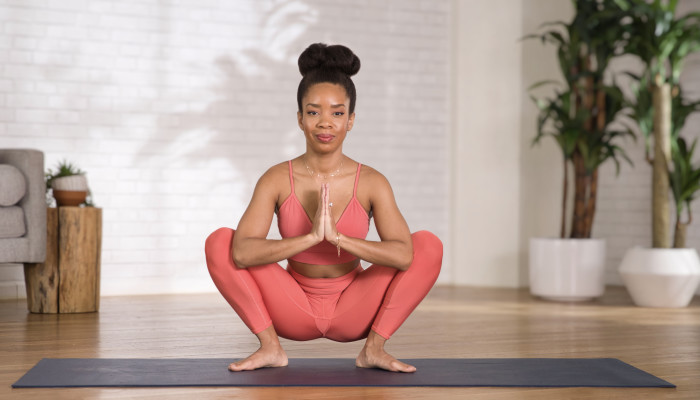
Physical Practice (Asana): In this context, yoga refers to the physical postures and exercises (asanas) practiced to improve flexibility, strength, and overall health. This is the most widely recognized aspect of yoga in the West.
Union or Integration: The word "yoga" comes from the Sanskrit root yuj, meaning "to yoke" or "to unite." In this spiritual sense, yoga refers to the union of the individual self (Atman) with the universal consciousness (Brahman), aiming for spiritual awakening and self-realization.
Mental Discipline (Dhyana): Yoga is also understood as a practice of mental focus, concentration, and meditation (dhyana). This definition emphasizes mindfulness, awareness, and control over the mind, leading to inner peace and clarity.
Path to Liberation (Moksha): In traditional texts like the Bhagavad Gita and the Yoga Sutras of Patanjali, yoga is seen as a spiritual discipline leading to liberation (moksha) from the cycle of birth and rebirth (samsara). This path includes various yogic paths like Karma Yoga (selfless action), Bhakti Yoga (devotion), and Jnana Yoga (knowledge).
These definitions reflect the holistic nature of yoga, encompassing physical, mental, and spiritual practices.
Physical Practice (Asana)
The concept of Union or Integration is one of the core philosophical meanings of yoga. It comes from the Sanskrit root yuj, which means "to yoke" or "to unite." In this sense, yoga is the practice of bringing together various aspects of existence—body, mind, and spirit—into a harmonious whole. This union is often interpreted in different ways:
Key Aspects of Union or Integration in Yoga:
Union of the Individual Self (Atman) with the Universal Self (Brahman):
- In many spiritual traditions within yoga, the ultimate goal is to achieve self-realization and recognize that the individual soul (Atman) is not separate from the universal consciousness (Brahman).
- This union is considered the path to moksha (liberation), where one transcends the cycle of birth and rebirth (samsara) and experiences oneness with the universe.
Integration of Mind, Body, and Spirit:
- Yoga helps integrate the physical body (through Asana), the breath (through Pranayama), and the mind (through meditation and concentration). The practice aims to harmonize these aspects, so a person achieves a balanced and unified state of being.
- The physical postures (Asanas) prepare the body for meditation, and the focus on breath and awareness facilitates mental clarity, reducing the distractions of the mind.
Balance Between the Inner and Outer Worlds:
- Yoga teaches that true peace and fulfillment come from balancing the inner world (emotions, thoughts, and spirit) with the outer world (relationships, actions, and environment).
- This idea of union encourages mindfulness in every aspect of life, fostering a connection between the individual and the world around them.
Union of the Different Paths of Yoga:
- There are different paths within yoga, including Karma Yoga (the yoga of selfless action), Bhakti Yoga (the yoga of devotion), and Jnana Yoga (the yoga of knowledge). These paths are considered different approaches that ultimately lead to the same goal: union with the divine or realization of the true self.
- Practitioners may follow one or more paths depending on their personal inclinations, but all paths aim for a deeper union with the ultimate truth.
In summary, the concept of union or integration in yoga emphasizes the idea of bringing together the fragmented aspects of one's life, mind, and spirit into a unified, harmonious whole, leading to a sense of inner peace, self-realization, and connection to the greater universe.
Union or Integration
The concept of Union or Integration is one of the core philosophical meanings of yoga. It comes from the Sanskrit root yuj, which means "to yoke" or "to unite." In this sense, yoga is the practice of bringing together various aspects of existence—body, mind, and spirit—into a harmonious whole. This union is often interpreted in different ways:
Key Aspects of Union or Integration in Yoga:
Union of the Individual Self (Atman) with the Universal Self (Brahman):
- In many spiritual traditions within yoga, the ultimate goal is to achieve self-realization and recognize that the individual soul (Atman) is not separate from the universal consciousness (Brahman).
- This union is considered the path to moksha (liberation), where one transcends the cycle of birth and rebirth (samsara) and experiences oneness with the universe.
Integration of Mind, Body, and Spirit:
- Yoga helps integrate the physical body (through Asana), the breath (through Pranayama), and the mind (through meditation and concentration). The practice aims to harmonize these aspects, so a person achieves a balanced and unified state of being.
- The physical postures (Asanas) prepare the body for meditation, and the focus on breath and awareness facilitates mental clarity, reducing the distractions of the mind.
Balance Between the Inner and Outer Worlds:
- Yoga teaches that true peace and fulfillment come from balancing the inner world (emotions, thoughts, and spirit) with the outer world (relationships, actions, and environment).
- This idea of union encourages mindfulness in every aspect of life, fostering a connection between the individual and the world around them.
Union of the Different Paths of Yoga:
- There are different paths within yoga, including Karma Yoga (the yoga of selfless action), Bhakti Yoga (the yoga of devotion), and Jnana Yoga (the yoga of knowledge). These paths are considered different approaches that ultimately lead to the same goal: union with the divine or realization of the true self.
- Practitioners may follow one or more paths depending on their personal inclinations, but all paths aim for a deeper union with the ultimate truth.
In summary, the concept of union or integration in yoga emphasizes the idea of bringing together the fragmented aspects of one's life, mind, and spirit into a unified, harmonious whole, leading to a sense of inner peace, self-realization, and connection to the greater universe.
Mental Discipline (Dhyana)
Mental Discipline (Dhyana) in yoga refers to the practice of meditation, concentration, and mindfulness to develop mental clarity, focus, and control. The goal is to cultivate a calm, undistracted mind that can maintain awareness and insight, ultimately leading to inner peace and spiritual growth.
Key Aspects of Mental Discipline (Dhyana):
Meditation (Dhyana):
- Dhyana is the Sanskrit term for meditation, which is a central practice in yoga. It involves sitting in a quiet space and focusing the mind on a specific object, thought, or mantra, allowing distractions to fade away.
- Through regular meditation, practitioners learn to quiet the mental chatter, which is often referred to as the "monkey mind"—a mind that jumps from thought to thought without focus.
- The ultimate aim of Dhyana is to reach a state of deep concentration and stillness where the meditator experiences an expansive sense of peace and connectedness.
Concentration (Dharana):
- Dharana is the practice of focused attention, which precedes Dhyana. It involves focusing the mind on a single point of concentration, such as the breath, a sound, a visual image, or a specific part of the body.
- Developing the ability to concentrate without distraction is essential for successful meditation and deeper mental discipline. Dharana serves as the preparation for the meditative state of Dhyana.
Mindfulness:
- In the context of yoga, mindfulness is the ability to remain fully present in each moment. This mental discipline involves observing thoughts, emotions, and sensations without judgment, allowing them to come and go without attachment.
- Mindfulness is cultivated both on and off the mat. It helps practitioners stay aware of their internal and external experiences, fostering a sense of calm and detachment from the turbulence of everyday life.
Mental Control and Purification:
- One of the primary goals of Dhyana is to gain control over the mind. Yoga teaches that the mind is often restless and filled with distractions, desires, and negative patterns (known as kleshas).
- Through consistent practice of meditation and mindfulness, these disturbances can be cleared, leading to a purer, more balanced state of mind. This mental purification is thought to be essential for spiritual awakening and the realization of one's true nature.
Connection with the Present Moment:
- Practicing Dhyana encourages living in the present moment, free from anxiety about the past or future. By training the mind to stay anchored in the now, individuals can experience greater peace and a sense of connection to the world around them.
- This deep awareness enhances other aspects of yoga, including physical practice (Asana) and breath control (Pranayama), by creating a mental state that supports mindfulness and presence.
Spiritual Growth:
- Mental discipline through meditation is a pathway to deeper spiritual insights. As the mind becomes more still and focused, a person is able to transcend ordinary thoughts and experience a sense of oneness with the universe.
- This process is often described as self-realization or enlightenment, where the practitioner comes to understand their true nature, free from the illusions of the ego and worldly attachments.
In summary, Dhyana, or mental discipline, is about cultivating a focused, clear, and peaceful mind through meditation, concentration, and mindfulness. It allows practitioners to gain control over their thoughts and emotions, leading to a deeper connection with themselves and the world around them. It is a critical part of yoga's path to spiritual awakening and self-realization.
Path to Liberation (Moksha)
The Path to Liberation (Moksha) is one of the central goals of yoga, particularly in its spiritual and philosophical dimensions. Moksha refers to the ultimate liberation from the cycle of samsara (birth, death, and rebirth) and the attainment of a state of eternal peace, self-realization, and oneness with the universe or the divine. This path involves transcending the ego, desires, and attachments that bind an individual to the material world, leading to spiritual freedom.
Key Aspects of the Path to Liberation (Moksha):
Understanding Samsara and Karma:
- Samsara is the cycle of birth, death, and rebirth, which is governed by the law of karma (actions and their consequences). According to yogic philosophy, every action, whether physical, mental, or emotional, creates an impression that affects future lives.
- Moksha is attained when one is freed from the cycle of samsara by resolving the karmic imprints and transcending the limitations of the ego and material desires.
Self-Realization (Atman and Brahman):
- The key to Moksha is realizing the true nature of the self (Atman) and recognizing that it is not separate from the universal consciousness or divine reality (Brahman).
- Yoga teaches that the individual soul (Atman) is essentially one with Brahman, and the illusion of separation is due to ignorance (avidya). The realization of this oneness leads to liberation from suffering and the cycle of rebirth.
The Four Yogic Paths:
There are several paths in yoga that lead to Moksha, and each path emphasizes different aspects of spiritual practice. The most well-known paths are:
Karma Yoga (The Yoga of Selfless Action):
- This path focuses on performing actions without attachment to the results. By practicing selfless service and dedicating actions to a higher purpose or the divine, one can purify the mind and heart, reducing the ego's influence and moving closer to liberation.
- Karma Yoga teaches that by surrendering the fruits of one's actions to the greater good, a person can transcend selfish desires and cultivate a sense of unity with all beings.
Bhakti Yoga (The Yoga of Devotion):
- Bhakti Yoga is the path of love, devotion, and surrender to a personal deity or the divine. Through practices like prayer, chanting, and rituals, a devotee expresses unconditional love and devotion to the divine, cultivating humility and grace.
- The heart-centered devotion of Bhakti Yoga helps dissolve the ego, fostering a deep connection with the divine presence and leading to spiritual liberation.
Jnana Yoga (The Yoga of Knowledge):
- Jnana Yoga is the path of wisdom, discernment, and self-inquiry. It involves deep contemplation and study of sacred texts, philosophical teachings, and practices aimed at realizing the true nature of reality.
- By gaining knowledge of the self and understanding the nature of the universe, a practitioner of Jnana Yoga transcends the illusions of the material world and attains liberation.
Raja Yoga (The Yoga of Meditation):
- Raja Yoga focuses on the control of the mind through meditation and mental discipline. It is closely associated with the practices outlined in Patanjali’s Yoga Sutras, which include the Eight Limbs of Yoga (Ashtanga Yoga).
- Through practices such as meditation, concentration (dhyana), ethical conduct (yamas and niyamas), and physical postures (asanas), Raja Yoga leads the practitioner toward inner peace, self-realization, and ultimately, liberation.
The Role of Detachment (Vairagya) and Renunciation:
- Detachment, or vairagya, is an essential aspect of the path to Moksha. It involves letting go of attachment to worldly desires, possessions, and outcomes, recognizing their impermanence and understanding that true happiness comes from within.
- Renunciation of the ego and material desires allows the practitioner to shift focus from the transient world to the eternal truth of the Self (Atman) and the Divine.
Purification of the Mind and Heart:
- The journey to Moksha involves purifying the mind and emotions. This is achieved through practices like meditation, self-reflection, ethical conduct, and cultivating qualities such as compassion, humility, and forgiveness.
- By purifying the heart and mind, the practitioner creates the conditions for spiritual awakening and is able to transcend the distractions and illusions of the material world.
The Ultimate Goal of Moksha:
- Moksha is the state of liberation from the cycle of birth and rebirth (samsara). It is a state of oneness with the divine, where there is no separation between the individual soul and the universal consciousness.
- In Moksha, a person experiences eternal peace, bliss, and a profound sense of unity with all beings. It is a state of self-realization where the practitioner transcends the ego and experiences the truth of their divine nature.
In Summary:
The path to Moksha in yoga is about realizing one's true nature and achieving liberation from the cycle of samsara. This journey is undertaken through the four primary paths of Karma Yoga, Bhakti Yoga, Jnana Yoga, and Raja Yoga, each of which offers a different approach to spiritual awakening. By practicing detachment, mental discipline, and self-inquiry, and by purifying the mind and heart, the practitioner moves closer to achieving the ultimate goal of Moksha: liberation, peace, and union with the divine.


.jpg)
.jpg)




.jpg)

.jpg)

.jpg)


.jpg)


